(905) 453-7777
 info@dentistryondusk.com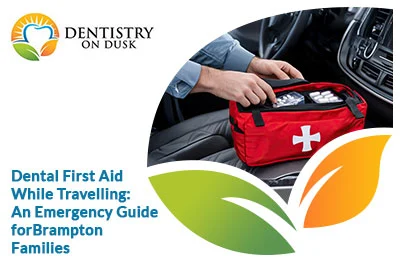
Dental First Aid While Travelling: An Emergency Guide for Brampton Families
Summer travel is exciting. Brampton families pack their bags, map out adventures, and look forward to making memories together. What rarely makes the packing list, though, is a plan for dental emergencies. A dental problem can strike anywhere at any time. A cracked molar on a hiking trail or sudden tooth pain on a road trip can derail your plans, and these moments are more common than most families expect. The good news is that preparation makes a real difference. Knowing what to do can keep a dental setback from becoming a full crisis. Many families return home needing emergency dental care services from their Brampton provider because they simply had no plan in place. Here, we will discuss an emergency dental care guide for Brampton families on vacation.Key Takeaways
|
What Dental Emergencies Can Happen While Travelling? A Guide for Brampton Families
Travelling puts families in situations a regular dental routine cannot fully prevent. Knowing what counts as a dental emergency is the most important first step toward handling it well.1. What Does a Sudden Toothache or Swelling Mean When You Are Away from Home?
A toothache that builds slowly at home can escalate quickly on the road. Changes in cabin air pressure during flights, unfamiliar foods, and disrupted routines can all intensify existing dental problems. When a dental emergency on vacation begins as mild sensitivity and shifts into intense, throbbing pain, that is a signal to act. Swelling in the jaw, gums, or face is always a red flag and can point to an infection forming beneath the surface. Over-the-counter pain relief helps manage short-term discomfort, but it does not address the root cause. If swelling appears alongside worsening pain, finding a local dental clinic or medical facility is the right move.2. What Should You Do When a Tooth Gets Knocked Out on a Trip?
A knocked-out permanent tooth is one of the most time-sensitive situations a family can face while travelling. You have the best chance of saving it if you act within 30 minutes. Pick the tooth up by the crown, never the root. Rinse it gently with clean water if it is dirty, but do not scrub it. Place it back in the socket if the patient can tolerate it, or keep it submerged in a container of milk or saliva. Avoid wrapping it in tissue or cloth. Head to the nearest dental clinic immediately. Speed is the single most important factor for successful reimplantation of a permanent tooth.3. How Do You Handle a Tooth Fracture Mid-Trip?
A broken tooth while travelling is one of the most common reasons families end up at an unfamiliar dental office mid-vacation. Biting into hard food, a fall, or a direct impact can crack or break a tooth at any moment. Rinse your mouth with warm water and apply a cold compress to the outside of your cheek to manage swelling. If a sharp edge is cutting the inside of your mouth, a small piece of dental wax offers temporary protection. Keep any broken piece in a clean bag, as your dentist may be able to bond it back. Do not ignore persistent pain or sensitivity after any fracture.4. What Happens When a Filling Falls Out During Your Travels?
A lost filling on vacation is uncomfortable and surprisingly common among frequent travellers. Fillings can loosen when you bite into sticky foods, grind your teeth during sleep, or simply because the filling has weakened with age. Once it falls out, the exposed tooth becomes highly sensitive to heat, cold, and pressure. Temporary dental cement, available at most pharmacies, can seal the cavity as a short-term fix. Press it gently into the space and smooth the surface. Avoid chewing on that side. Never use household glue as a substitute. Book a proper dental appointment as soon as you return home.5. How Do You Treat Mouth Cuts and Gum Injuries Away From Home?
Cuts and lacerations to the gums, tongue, lips, or cheeks can happen during falls, sports contact, or even an unexpected hard bite. The mouth has a rich blood supply, so these injuries bleed more heavily than you might expect. Rinse the area with clean water first. Apply firm, gentle pressure with a fresh and clean cloth or sterile gauze and keep the head elevated to reduce bleeding. If the bleeding does not slow within 15 to 20 minutes, seek emergency medical care right away. Watch the injured area for signs of infection in the days that follow, especially if professional care is not immediately close by.What to Do When Emergency Dental Care Services in Brampton Isn’t Within Reach
 When professional care at home is not an option, knowing how to manage the situation yourself can protect your oral health and keep a difficult moment from becoming a dangerous one.
1. How Do You Use Temporary Dental Repair Products Correctly?
When you are far from home, the emergency dental care services Brampton families normally rely on are simply not available. Temporary dental repair products are designed for exactly this kind of situation and are stocked at most pharmacies worldwide. These include dental cement, temporary filling material, and basic tooth repair kits. Use them as directed and only as a short-term measure. They reduce sensitivity and prevent food from packing into exposed cavities. They are not built to hold for weeks or to replace a proper restoration. If you are travelling internationally, ask a pharmacist for a dental or tooth repair product. Most major chains carry them.2. How Should You Manage Dental Pain While Travelling?
Over-the-counter pain relievers like ibuprofen or acetaminophen minimizes dental pain effectively in the short term. Always follow the dosage instructions given on the packaging. Do not place aspirin directly against the gum or tooth surface, as this causes chemical irritation. A small amount of clove oil applied with a cotton swab can provide temporary topical relief. Clove oil contains eugenol, a natural compound with well-documented anesthetic properties. For children, use only age-appropriate pain relievers in the correct dosage. If pain is severe, escalating, or accompanied by facial swelling or fever, do not rely on pain management alone. See a dental or medical professional promptly.3. How Do You Find a Dentist When You Are Travelling Abroad?
Most cities, towns, and tourist destinations have dental clinics that accept walk-in patients. Your hotel concierge is often the fastest way to get a solid referral. Reach out to your travel insurance provider for a list of covered clinics near your location. Many dental professionals abroad are fully trained and equipped to handle common emergencies. You will need to pay upfront and submit a claim for reimbursement after returning home. Bring your insurance card and policy number in your travel documents. If you are in a remote area, a hospital emergency department can assess a dental infection, prescribe antibiotics, and stabilize your situation safely.4. When Does a Dental Problem Become a Medical Emergency?
A dental infection that spreads can become life-threatening very quickly. Signs that the problem has moved beyond a tooth issue include high fever, difficulty swallowing, swelling in the neck or throat, an inability to open your mouth fully, and rapidly spreading facial swelling. These are signs of a spreading bacterial infection. In this situation, go directly to the nearest hospital emergency department, not just a dental clinic. An infection that reaches the airway requires immediate intravenous antibiotics and possible surgical care. Do not wait to see if the swelling subsides on its own. Early professional assessment is the only responsible course of action.How to Build a Smart Travel Dental Kit Before You Leave Home
A little preparation before your trip means you will have the right tools on hand when something goes wrong, no matter where you are.1. What Should You Pack in Your Travel Dental Kit?
An emergency dental kit is a small but genuinely powerful investment for any travelling family. At a minimum, pack temporary dental cement, dental wax, sterile gauze pads, and a small dental mirror. Also add pain relief tablets for adults and children, saltwater rinse sachets, clove oil, and a few clean zip-lock bags. The bags are for safely storing a knocked-out tooth or a broken tooth fragment. Most of these items are inexpensive and available at any local pharmacy before you leave. Keep them in a clearly labelled pouch inside your carry-on bag so they are easy to find quickly at any point during the trip.| Item | Purpose |
| Temporary dental cement | Seals exposed cavities and loose fillings |
| Dental wax | Protects cheeks from sharp or rough tooth edges |
| Sterile gauze pads | Controls bleeding from mouth injuries |
| Clove oil | Provides temporary topical pain relief |
| Pain relief tablets | Manages pain for adults and children |
| Clean zip-lock bags | Stores a knocked-out tooth or broken fragment |
| Small dental mirror | Helps inspect back teeth and hard-to-see areas |
| Saltwater rinse sachet | Cleans the mouth after an injury or tooth loss |
2. Why Do Your Dental Records Matter When You Travel?
Travel insurance that includes dental coverage is worth every added dollar. Many standard policies exclude dental care unless you specifically add it. Read the fine print before you leave home and bring a digital copy of your most recent dental records, including X-rays and a current medication list. If you wear a crown, have an implant, or are partway through braces or aligner treatment, this documentation is especially important for any dentist treating you abroad. Having records on hand speeds up care and helps the treating dentist work accurately. Ask your regular dental office for a brief records summary before any extended trip.3. How Do You Prepare Children for a Travel Dental Emergency?
Travelling with children adds a real layer of complexity when a dental problem arises. Children are far more likely to knock out or chip a tooth during active play or sports. Make sure your travel kit includes child-appropriate pain relievers in the correct dosage for each child's age and weight. Speak with your family dentist before any extended trip and address any concerns about upcoming travel. Get overdue cleanings or fillings done before you leave. Teach older children the basics of dental first aid. Knowing to find an adult right away and to keep a knocked-out tooth moist and safe can genuinely mean the difference in saving it.Why Returning to Emergency Dental Care Services at Your Trusted Brampton Clinic Still Matters After Your Trip
Getting home safely is a relief, but the follow-up care that emergency dental care services offered by your trusted Brampton dental office provide is a step that should never be skipped or delayed.1. Why Should You Book a Dental Appointment Before You Even Unpack?
Even if a temporary fix holds up well throughout your trip, a follow-up dental appointment is not optional. Temporary materials are not designed to last for weeks. A filling that fell out and was patched with cement still needs proper restoration. A tooth that was knocked out and reinserted needs X-rays and careful monitoring to confirm that healing is proceeding correctly. Book your appointment on the day you return or the very next morning. If pain has returned or worsened during travel, call your dental office the same day you land and ask about same-day availability. The sooner you are seen, the better your long-term outcome.2. What Should You Tell Your Dentist After a Travel Dental Emergency?
When you arrive at your follow-up appointment, describe the incident in full detail. Tell your dentist exactly when it happened, what first-aid steps you took, which products you used, and whether the pain changed over the course of the trip. This information directly shapes the treatment approach. If you were seen by a dentist abroad, bring any treatment notes, invoices, or prescriptions they provided. Your home dentist needs a complete picture of what was done. A thorough assessment at this appointment will confirm whether the tooth has healed properly, whether further treatment is needed, and whether any imaging should be taken as a precaution.3. How Do You Submit a Travel Insurance Claim for Dental Work Done Abroad?
If you paid out of pocket for dental care while travelling, gather every receipt, invoice, and treatment record from the clinic you visited. Submit your insurance claim as soon as possible after arriving home. Most policies have a strict submission window and missing it could mean losing your reimbursement entirely. For instance, most travel insurance providers require documentation of the emergency, proof of payment, and a written description of the treatment provided. Keep digital backups of all documents. A dental office abroad will typically provide a printed receipt and brief treatment summary on request. Ask for these before you leave their office. A dental emergency away from home is stressful, but it does not have to become overwhelming. With a well-stocked travel kit, a calm plan, and a basic understanding of what each situation calls for, most dental problems can be managed safely until you arrive home. Returning to emergency dental care services Brampton families trust means a proper diagnosis and a lasting repair can finally be made. Preparation makes all the difference when it matters most.FAQs
What should I do if I lose a filling while on vacation?
Apply temporary dental cement from a pharmacy to seal the exposed cavity and reduce sensitivity. Avoid chewing on that side. Once you return home, book a dental appointment right away for proper restoration and to check for any signs of underlying decay.
Is a chipped tooth always a dental emergency?
A minor chip without pain or a sharp edge can usually wait until you get home. Apply dental wax to protect your cheek from any rough surface. If the chip is significant, causes intense pain, or the tooth appears deeply cracked, see a dentist as soon as possible.
How do I find a dentist when I am travelling abroad?
Ask your hotel concierge for a trusted local referral. Connect with your travel insurance provider for a list of covered clinics nearby. Most tourist destinations have walk-in dental clinics. A hospital emergency department can also assess infections and prescribe antibiotics if no dental clinic is available.
What items belong in a travel dental emergency kit?
Pack temporary dental cement, dental wax, sterile gauze, clove oil, a small dental mirror, pain relief tablets for adults and children, and clean zip-lock bags. Store everything in a labelled pouch inside your carry-on bag for quick access during the trip.
Can a knocked-out tooth really be saved if you act fast?
Yes, if you act within 30 minutes. Pick the tooth up by the crown and wash it gently. Place it back in the socket, or keep it in milk or saliva. Reaching a dentist quickly gives the tooth its best chance of being successfully reimplanted.
How soon after returning from a trip should I see my dentist?
Book an appointment immediately upon returning, even if a temporary repair seems to be holding. Temporary dental materials are not built to last. Your dentist will properly restore the tooth, take X-rays, and check for any signs of infection or ongoing structural damage.
Request an Appointment
Popular Blogs
Recent Posts

Gum Therapy: Why Our Brampton Dental Clinic Recommends It Early
Most people brush twice a day, avoid too much sugar, and still hear the same thing at their cleaning: "Your gums are showing some early signs of trouble." It catches people off guard. Your teeth look fine. Nothing hurts. So, what exactly is going on?... Read More...

7 Signs You Are Overdue for a Professional Cleaning at a Brampton Dental Office
Most people who brush and floss every day assume that is enough as far as dental care goes. The truth is that home care alone cannot reach places where tartar quietly builds up over time. A professional cleaning does what no toothbrush can, and skipp... Read More...

Why Pediatric Dentists in Brampton Don’t Consider Home Remedies a Permanent Fix for Kids’ Toothaches
When your child wakes up crying at two in the morning with a throbbing tooth, your first instinct is to help them feel better fast. You reach for whatever is within arm's reach, like a cold compress, a dab of clove oil, or a children's pain reliever.... Read More...