(905) 453-7777
 info@dentistryondusk.com
Classification of a Natural Smile in Cosmetic Dentistry: Understanding Smile Types and Designs
A smile is one of the most powerful expressions we share—it reflects confidence, emotion, and personality. In cosmetic dentistry, understanding the classification of a natural smile is essential for creating results that look balanced, authentic, and uniquely suited to each individual. No two smiles are exactly the same. Some people have wide, expressive smiles, while others may notice a crooked, narrow, or gummy smile. Rather than viewing these differences as flaws, modern cosmetic dentistry focuses on understanding smile anatomy and facial harmony to enhance what already exists. In this guide, we’ll explore the anatomy of a smile, the different types within the classification of a natural smile, and why smile classification plays a key role in cosmetic dentistry and smile design.What Is a Natural Smile?
A natural smile is one that appears effortless and harmonious with facial features. It is not forced or overly posed, but instead reflects how the teeth, lips, and facial muscles naturally work together when smiling. A natural smile typically includes:- Balanced visibility of the upper teeth
- A smooth smile arc that follows the curve of the lower lip
- Proper interaction between the upper lip and teeth
- Minimal strain in facial muscles
Why Classification of a Natural Smile Matters in Cosmetic Dentistry
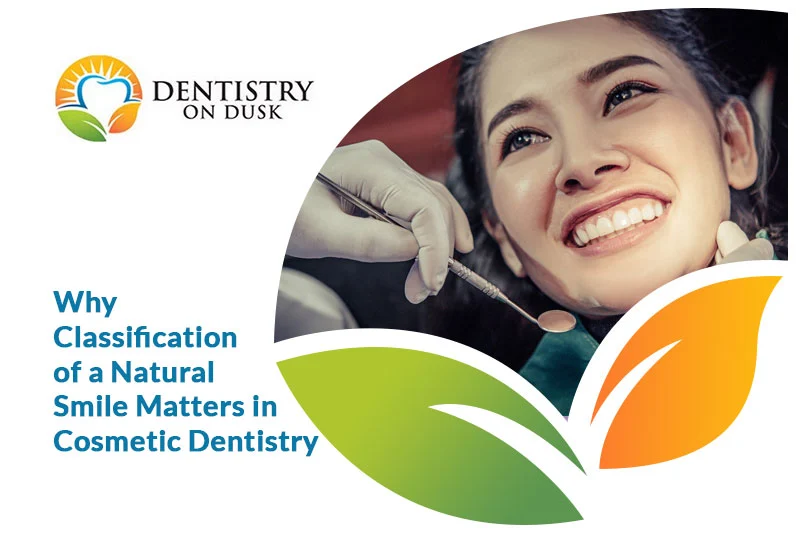 The classification of a natural smile helps cosmetic dentists understand how dental and facial elements interact. This understanding is essential when planning treatments such as veneers, orthodontics, or complete smile makeovers.
Smile classification allows dentists to:
The classification of a natural smile helps cosmetic dentists understand how dental and facial elements interact. This understanding is essential when planning treatments such as veneers, orthodontics, or complete smile makeovers.
Smile classification allows dentists to:
- Customize smile designs rather than using a one-size-fits-all approach
- Maintain natural facial expressions
- Avoid overly artificial or exaggerated results
Anatomy of a Natural Smile
Understanding smile anatomy is the foundation of smile classification.Upper Lip
The upper lip determines how much of the teeth and gums are visible when smiling. Its length and movement influence whether a smile appears subtle or expressive.Smile Arc
The smile arc indicates the curve of the upper teeth in relation to the lower lip. A harmonious smile arc enhances facial balance and visual appeal.Teeth Shape and Proportions
Tooth size, width, and shape play a major role in smile perception. Boxy, narrow, or uneven teeth can change how a smile is classified.Gum Display
Some gum visibility is normal, but excessive exposure may result in what is commonly called a gummy smile.Common Types in the Classification of a Natural Smile
Duchenne Smile
The Duchenne smile is considered the most genuine smile. It involves both the mouth and the eyes, creating a warm, authentic expression often linked to true happiness.Crooked Smile
A crooked smile occurs when teeth alignment or facial muscle movement creates asymmetry. The crooked smile's meaning is usually anatomical and not a reflection of poor oral health.Gummy Smile
A gummy smile shows more gum tissue above the upper teeth. This can be influenced by upper lip movement, tooth size, or jaw position.Narrow Smile
A narrow smile shows limited tooth width and may appear less expressive. It is often related to dental arch shape or spacing.Boxy Smile / Box Smile
A boxy smile features teeth with squared edges and minimal curvature, creating a more structured appearance.Downturned Smile
In a downturned smile, the corners of the mouth slope downward, sometimes giving an unintended tired or serious look.Smile with Bottom Teeth
This smile type shows more lower teeth than upper teeth and may be related to jaw alignment or lip positioning.Rare and Unique Smile Types
Hung Smile
A hung smile occurs when the upper lip lifts unevenly, resulting in asymmetry during smiling.Evil Smile
Often misunderstood, an evil smile typically forms when one side of the mouth lifts higher than the other, creating a playful or mischievous expression.Rarest Smile
The rarest smile usually refers to near-perfect symmetry, ideal smile arc, and balanced proportions—something naturally uncommon.What Makes a Smile Look Balanced or Unbalanced?
A smile may appear unbalanced due to:- Uneven tooth alignment
- Asymmetrical lip movement
- Irregular gum display
- Jaw positioning
Can Cosmetic Dentistry Improve Smile Types?
Yes. Cosmetic dentistry offers treatments tailored to different smile classifications, including:- Veneers for improving tooth shape and symmetry
- Orthodontics for alignment and bite correction
- Gum contouring for gummy smiles
- Teeth whitening for overall smile enhancement
Interesting Facts About Smiles and Smile Classification
- Most people don’t have perfectly symmetrical smiles. Minor asymmetry in lips, teeth, or facial muscles is completely normal and often what makes a smile look natural rather than artificial.
- Your upper lip plays a bigger role than your teeth. Studies in cosmetic dentistry show that upper lip movement often determines whether a smile appears gummy, narrow, or balanced.
- A Duchenne smile can’t be faked easily. This genuine smile activates muscles around both the mouth and eyes, which is why it’s commonly associated with real happiness.
- Smile perception changes with age. As we age, lip elasticity, tooth wear, and gum position change, which can alter how a smile is classified over time.
- There is no single “perfect smile.” Research in smile design confirms that attractiveness depends more on facial harmony and smile balance than ideal tooth measurements.
- Even crooked smiles can be appealing. Many people find slightly crooked or uneven smiles more relatable and expressive than overly uniform ones.
- Cosmetic dentistry uses smile classification as a planning tool. Dentists analyze smile types before treatment to ensure enhancements complement facial expressions instead of altering them unnaturally.
FAQs
Natural smiles include Duchenne smiles, gummy smiles, crooked smiles, narrow smiles, downturned smiles, and other unique variations.
A crooked smile can result from uneven lip movement or facial muscle activity rather than tooth alignment alone.
A perfect smile is one that looks natural, balanced, and harmonious with facial features—not necessarily perfectly symmetrical.
Minor improvement may occur with facial exercises, but cosmetic dental treatments usually offer more noticeable and lasting results.
Yes. Understanding smile classification helps ensure cosmetic treatments enhance natural features without creating an artificial appearance.
Request an Appointment
Popular Blogs
Recent Posts
Classification of a Natural Smile in Cosmetic Dentistry: Understanding Smile Types and Designs
A smile is one of the most powerful expressions we share—it reflects confidence, emotion, and personality. In cosmetic dentistry, understanding the classification of a natural smile is essential for creating results that look balanced, authentic, and... Read More...
When to Visit a Brampton Dental Clinic for a Dental Emergency
Dental problems can start suddenly or build slowly over time. Sometimes the pain is sharp and immediate, while other times it feels mild but keeps coming back. Many people feel confused about when a dental issue is serious and when it can wait. This ... Read More...

How a Brampton Family Dentist Can Reduce the Psychological Impact of Crooked Teeth
Crooked teeth are often seen as only a cosmetic issue, but they can affect much more than your smile. Many people, including children and adults, live with emotional stress because of teeth that are not straight. These feelings often start quietly an... Read More...