(905) 453-7777
 info@dentistryondusk.com
How to Brush Your Teeth Properly (11 Important Tips)
Combing your hair, washing your face... Mindlessly going about our daily habits soon becomes second nature. But do you know how to properly brush your teeth?
You probably think you do. After all, isn't brushing something we all learn in childhood?
But there are misconceptions around how to properly brush teeth. Some may have been taught when we were children; others errors crept in over the years.
Whatever the case, make sure you know proper teeth-brushing techniques. To that end here are 11 tips to follow.Best Tips for Brushing Your Teeth Properly
1. Use the right toothbrush
For most people a soft-bristled toothbrush is the safest choice. Hard-bristled ones can damage gums, protective tooth enamel, the surface of roots, and even your mouth guard. Do not use a toothbrush with natural bristles because they may retain harmful bacteria. The brush head must be small enough to reach your teeth, and choose a toothbrush with a handle that fits your hand easily.2. Use the right toothpaste
You should use a toothpaste with fluoride. It removes plaque and strengthens tooth enamel. Toothpaste brands offer diverse features like whitening, tartar control, desensitization, and different flavours, so pick one that suits your preferences and budget.3. Follow the right technique
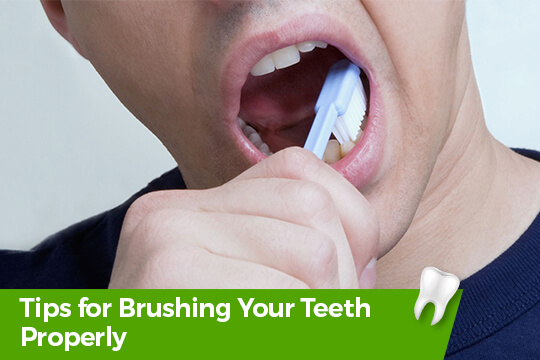
First of all, apply only a pea-sized amount of toothpaste. Instead of moving it across the teeth, brush with small circular motions. Hold the brush at a 45° angle while brushing the front of the teeth. Clean the insides of the teeth by opening wide as well as properly angling the toothbrush toward the gum line.4. Brush twice a day
Brushing just once a day is massively better than not at all, but dentists recommend brushing twice. Food can form into plaque in just eight hours, which means that brushing just once per day may retain lots more plaque on teeth.
5. Always be gentle
Are you undergoing teeth gum therapy? Do you often bleed from your teeth? Be gentle when brushing. Brushing forcefully does not mean you are doing a better job. In fact, vigorous brushing may damage both tooth enamel and your gums. Toothbrushes that wear out quickly are a sign you are brushing too hard.6. Replace old toothbrushes
A great toothbrush won’t stay that way for a long time. It needs to be replaced after just a few months of use. Watch for signs the bristles are becoming worn out. Whenever they are frayed and no longer stand up straight, it is time to get a new one.7. Brush for long enough
Brushing too quickly is a common mistake, since cleaning teeth may be boring. Work your way slowly around the mouth, spending at least ten seconds on every area. Overall, you should spend nearly three minutes brushing your teeth. You may also use a stopwatch or even a timer to ensure you're giving your teeth enough attention.8. Clean the chewing surfaces
Don't forget to use short back and forth strokes to brush the top of the back teeth, where food can easily get trapped.9. Brush the tongue
Yes, your toothbrush is not just for your teeth. The harmful bacteria that grow on your tongue may be hard to remove. Mouthwash is not effective so brushing is necessary. Simply brush the entire tongue with fresh toothpaste. Make sure it reaches as far as is comfortable into your mouth.10. Rinse the toothbrush
Once you have finished brushing, your toothbrush will have lots of nasty bacteria on it. If you don't clean it, you will simply reintroduce them the next time you brush. Rinse the toothbrush under the tap for a few seconds and then keep it somewhere to dry out.11. Use floss
Flossing is the component of cleaning the teeth that is most often left out. Never make this mistake. Small bits of food debris may get stuck between teeth, and flossing is the best way to remove them.Use about 18 inches of floss, so you may have a clean piece of floss to use on each tooth in the cleaning process. Curve the floss into a C-shape as you slide it up and down along the side of each tooth. Don’t forget to floss the backsides of your back teeth on both the left and right side of the upper and lower teeth. Floss between all your teeth at least once a day.
Bonus Tip: Start with the outer surfaces. Gently brush upper and then lower teeth. Going tooth by tooth may help you slow down and not miss out on any spots.
Brushing your teeth is vital for oral health. Tooth problems may be both costly and painful. Tooth brushing is the only way to remove the bacteria that make up plaque, which, if left undisturbed, may cause cavities and gum disease. Learn how to brush your teeth properly and, if needed, visit your dentist for advice on keeping your teeth healthy, clean, and shining bright.
FAQs
What type of toothbrush and toothpaste should I use for proper brushing?
A soft bristle toothbrush is the safest choice for most people, as hard bristles can damage gums, tooth enamel and root surfaces. Avoid toothbrushes with natural bristles as they might retain harmful bacteria. Always use a fluoride toothpaste, as it effectively removes plaque and strengthens enamel. Opt for a brand with features that suit your specific needs, whether whitening, tartar control or desensitization.
What is the correct brushing technique for cleaning teeth effectively?
Apply only a pea-sized amount of toothpaste and use small circular motions rather than brushing back and forth across the teeth. Hold the brush at a 45-degree angle when cleaning the front surfaces and angle it toward the gum line when cleaning the inner surfaces. Use short back-and-forth strokes on the chewing surfaces of your back teeth, where the food particles are most easily trapped.
How long should I brush my teeth and how often?
Dentists recommend brushing teeth twice daily for close to three minutes each session. Brushing too quickly is one of the most common mistakes people make. Spend at least ten seconds on every area of your mouth. You can consider using a stopwatch or timer to stay on track. Food can begin forming into plaque in as little as eight hours, making twice-daily brushing essential for preventing significant plaque buildup.
Can brushing too hard damage my teeth and how do I know if I'm doing it?
Yes. Vigorous brushing does not clean teeth more effectively and can actually damage both tooth enamel and gum tissue over time. A crucial warning sign is your toothbrush bristles wearing out or fraying too quickly, which indicates excessive pressure. Always use gentle strokes and if you experience gum bleeding or are undergoing gum therapy, be more careful to brush with a light and controlled touch.
Why is it important to brush the tongue and floss in addition to brushing teeth?
The tongue harbours harmful bacteria that mouthwash alone cannot adequately remove. Brushing it with fresh toothpaste, reaching as far back as is comfortable, is the only effective solution. Flossing is equally important, as food debris trapped between teeth cannot be reached by a toothbrush. Use about 18 inches of floss, curve it into a C-shape around each tooth, and floss between all teeth at least once daily.
Request an Appointment
Popular Blogs
Recent Posts

Gum Therapy: Why Our Brampton Dental Clinic Recommends It Early
Most people brush twice a day, avoid too much sugar, and still hear the same thing at their cleaning: "Your gums are showing some early signs of trouble." It catches people off guard. Your teeth look fine. Nothing hurts. So, what exactly is going on?... Read More...

7 Signs You Are Overdue for a Professional Cleaning at a Brampton Dental Office
Most people who brush and floss every day assume that is enough as far as dental care goes. The truth is that home care alone cannot reach places where tartar quietly builds up over time. A professional cleaning does what no toothbrush can, and skipp... Read More...

Why Pediatric Dentists in Brampton Don’t Consider Home Remedies a Permanent Fix for Kids’ Toothaches
When your child wakes up crying at two in the morning with a throbbing tooth, your first instinct is to help them feel better fast. You reach for whatever is within arm's reach, like a cold compress, a dab of clove oil, or a children's pain reliever.... Read More...