(905) 453-7777
 info@dentistryondusk.com
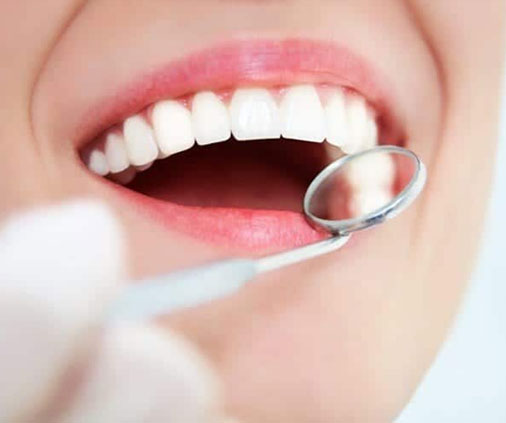
Here’s How Oral Health Can Affect the Rest of Your Body
Decades back, a physician who suspected lung infection or heart disease wouldn’t probably refer their patient to a dentist. The same went for diabetes, arthritis, pneumonia or any other serious medical condition. However, times have changed and scientists have found a link between oral hygiene and general health. Poor oral health not only comes with the risk of bad breath and tooth loss but can also cause cardiovascular diseases, lung infections, and other serious health issues. Chronic oral infections, meanwhile, like dental abscesses, gum disease or gingivitis, are often an indicator of an underlying health problem.Oral Hygiene and General Health – How Are They Related?
Did you know that gum and dental health problems can affect the rest of your body? Left untreated, oral diseases like periodontitis, tooth decay, and oral thrush can damage your teeth and contribute to serious health issues. Here, we'll examine a few ways in which oral hygiene is related to general health. But before that, let’s learn a little about good oral health.What Is Oral Hygiene All About?
Our mouths contain more than 700 different strains of bacteria. While most aren't destructive, some can negatively affect your physical wellbeing if not treated in a timely fashion. Luckily, the human body has natural defences to fight off this bad bacteria. Along with a good oral care routine, this is the ideal way to keep dental and mouth infections at bay. Some good oral health practices include:- Brushing 2-3 times a day
- Flossing once per day
- Regular tongue cleaning
- Eating healthy, nutritious, wholesome foods
- Limiting intake of sodas, sweets, caffeine and alcohol
- Increasing calcium intake
- Abstaining from tobacco
- Replacing your toothbrush every 3-4 months
- Visiting your dentist on a regular basis and performing routine cleanings and check-ups
Conditions Affecting Dental Health
Some health conditions initially show warning signs and symptoms through dental or oral infections. Common systemic diseases with oral symptoms are:- Diabetes – This causes more severe and chronic gum disease because the body isn’t capable of resisting infection.
- Alzheimer's – As Alzheimer's worsens, oral health also deteriorates.
- Osteoporosis – This causes bone and tooth loss due to weak and brittle bones, which is sometimes the side effect of treatment.
- Celiac or Crohn's Disease – This may cause canker sores.
- Blood disorders – These can result in pale gums that are susceptible to bleeding.
- HIV/AIDS – These conditions often cause mucosal lesions in the mouth.
- Bulimia/Anorexia – Eating disorders can cause tooth staining or discolouration.
- Cardiovascular Disease
- Lung Infections
- Premature Birth
FAQs
How many types of bacteria live in the mouth and are they all harmful?
The human mouth contains more than 700 different strains of bacteria. While the vast majority are not destructive, some can affect your physical health in a the worst way if you neglect your oral hygiene over time. Fortunately, the human body has natural defence mechanisms to fight off harmful bacteria. Combined with a consistent oral care routine—including brushing, flossing, and regular dental check-ups—these defences are usually sufficient to keep infections at bay.
How does poor oral health add to cardiovascular disease?
When teeth are chronically laden with plaque, the gums become persistently inflamed. This inflammation spreads through the bloodstream and affects blood vessels throughout the body, contributing directly to cardiovascular disease. Over time, it can create dangerous blockages in heart vessels, increasing the risk of heart attack, stroke, and hypertension. Endocarditis—inflammation of the inner lining of the heart—is also closely linked to dental bacteria and can lead to blood clots and abnormal heart rhythm.
Can gum disease increase the risk of lung infections?
Yes. Oral infections like periodontal disease can increase the likelihood of developing serious lung infections such as pneumonia. Harmful bacteria that breed in the mouth can travel down into the lungs, causing respiratory disease and compromising the immune system’s ability to fight further infection. Already existing conditions such as chronic obstructive pulmonary disease or COP) can also be worsened by severe gum disease, affecting a person’s ability to breathe normally and maintain healthy oxygen levels.
Why is maintaining good oral health especially important during pregnancy?
Pregnant women experience elevated levels of hormones such as progesterone and estrogen, which increase susceptibility to oral health problems including gingivitis and periodontitis. Studies have linked gum disease to premature birth—defined as delivery before 37 weeks of gestation—and premature babies are known to face greater health challenges both at birth and later in life. Pregnant women who notice symptoms such as bleeding gums, loose teeth, bad breath, or toothache are strongly advised to contact their dentist immediately.
Which systemic diseases can first show warning signs through oral symptoms?
Several serious systemic conditions can initially manifest through oral or dental symptoms. Diabetes can cause more severe and chronic gum disease due to the body’s reduced ability to resist infection. Alzheimer’s disease is associated with deteriorating oral health as the condition progresses. Osteoporosis can lead to bone and tooth loss, while Crohn’s disease and celiac disease may trigger recurring canker sores. Blood disorders can result in pale, bleeding-prone gums, and HIV/AIDS often causes mucosal lesions inside the mouth.
Request an Appointment
Popular Blogs
Recent Posts

7 Foods & Daily Habits That Undo the Teeth Whitening Results of Brampton Patients
A fresh whitening appointment leaves most Brampton patients genuinely pleased with what they see. The colour lift is real, the change is visible, and that first look in the mirror is a satisfying one. Yet weeks later, many of those same patients noti... Read More...

Knocked-Out Tooth? Why the First 30-60 Minutes Matter & When to Seek Emergency Dental Care Services in Brampton
A knocked-out tooth can be saved—if you act quickly enough. The first 30 to 60 minutes after a tooth is dislodged is the window that determines whether reimplantation is even possible. When a tooth leaves its socket, the tiny fibres connecting it ... Read More...

Why Are Brampton Adults & Teens Choosing Invisalign Over Traditional Braces?
More people in Brampton, Ontario, are choosing clear aligners like Invisalign over metal braces these days. This is not just a passing trend. It reflects a significant change in what patients want from their orthodontic care. Brampton patients consis... Read More...