(905) 453-7777
 info@dentistryondusk.com
Oral Cancer Screening: What You Need to Know
Oral cancer refers to cancers that are formed within the mouth such as on the tongue, inner cheeks, gums, hard palate, and lips. They occur when the DNA in the cells mutate and form a tumor which can spread to other parts of the neck, head, and body. The cancer generally begins within the thin cells which line the inside of the lips and mouth. Oral cancer screenings are specifically designed to spot initial signs of the disease and prevent it from reaching an advanced stage. Your dentist in Brampton will be able to treat the disease by diagnosing it at the early stages and stop it from spreading further. Here are some other factors you should be aware of.1. Warning Signs
Chronic pain in the mouth is the most common sign of oral cancer among others, some of which differ from person to person. The signs include:- Weight loss
- Chronic bad breath
- Lumps in the cheeks
- Swelling in the neck
- Trouble swallowing or chewing
- A persistent sense of something being stuck in your throat
- Any sores that bleed consistently and don’t heal

2. Risk Factors
Numerous studies have found that individuals with a close relative who may have had the disease are at an increased risk of developing it. Genetic conditions may carry an increased risk for some people to develop the disease. Also, individuals who may have encountered oral cancer before can get it again. Using tobacco in any form can expose your mouth to various cancer-causing chemicals. If you’re a smoker, ask your doctor for advice on ways to help you quit. Your diet plays a vital role in reducing the risk of the disease, especially antioxidants and vitamins found in fruits and vegetables. Some other factors that increase the risk of causing oral cancer include:- Consuming too much alcohol
- Exposing the lips to the sun too much
- A weak immune system
- A diet rich in red meat and fried foods
- Exposure to chemicals
3. Symptoms
The only way to know for sure whether you have oral cancer or not is to receive a detailed diagnosis from your doctor. You should inform them right away if you see any of the following symptoms:- Sore throat
- Bleeding in the mouth
- Numbness in the face
- Any sores that don’t heal
- Loose teeth or dentures
- Difficulty chewing
- Pain while swallowing
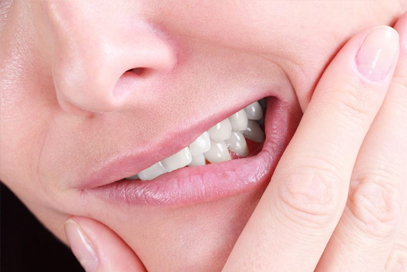
- Pain in the ears, throat, jaw or the tongue
4. How is the screening done?
Knowing the risk factors that cause oral cancer can help in its prevention. While conducting your regular oral exam, your dental hygienist will use a multi-wavelength light to find discolored spots in the mouth. Relying on their skills, expertise, and education they will screen your mouth for signs of oral cancer using various instruments to probe. They will look for signs of oral or gum decay and depending on the condition, may have you undergo an X-ray. All you need to do is sit still with your mouth wide open and allow them to do their job.5. Why is it important to have an oral cancer screening?
Generally, this type of cancer is known to occur after the age of 40. This risk keeps on increasing with age and can later affect the throat, soft palate and the base of the tongue. The disease has a higher death rate than other types of cancers. It is high as the disease is difficult to diagnose and because it’s almost always spotted when it’s out of control. This cancer is mostly detected once it has spread to the lymph nodes. At this stage, the disease is definitely at a worse phase than it would have been if contained within the mouth. When detected early, it can be treated with radiation therapy or the tumor may need to be surgically removed. However, this can only be done on smaller tumors as larger ones may require a part of the jaw bone or the tongue to be removed if deemed necessary. Your dentist in Brampton can be your first line of defense in the fight against oral cancer. If you notice any lesions or lumps in your mouth or face difficulty swallowing anything, consult your doctor immediately. A dentist will have experience screening their patients for signs of oral cancer and recommend the right treatments when needed.
Request an Appointment
Popular Blogs
Recent Posts
How to Help a Child With Dental Anxiety Before Their Appointment in Brampton
Anxiety is one of the most common challenges parents face when booking dental appointments for their children. Many kids feel nervous about them, which is completely normal. The good news is that you can ease that fear well before the appointment. ... Read More...

Dental First Aid While Travelling: An Emergency Guide for Brampton Families
Summer travel is exciting. Brampton families pack their bags, map out adventures, and look forward to making memories together. What rarely makes the packing list, though, is a plan for dental emergencies. A dental problem can strike anywhere at a... Read More...
What to Eat After Wisdom Tooth Removal in Brampton: A 7-Day Recovery Menu
After a wisdom tooth removal, what you eat directly affects how fast you heal. Clear liquids, cold yogurt, smooth purées, and gentle broths are the safest choices in the first 24 hours. Starting with the right foods sets the tone for your entire reco... Read More...